
Lisa Clendening, BEd, MSW, RSW (she/her), Registered Social Worker/Psychotherapist
What to Expect in Therapy
A safe, supportive, and collaborative experience.
A non-judgmental space to be heard
Integrative approaches tailored to your needs
Collaboration at your pace
Support that respects your sensitivity, boundaries, and lived experience
A focus on mind-body-spirit connection
A range of integrative therapies that support awareness, healing, meaningful transformation.
What I Offer
What is EMDR?
EMDR is an evidence-based psychotherapy that helps your brain process difficult memories and traumatic experiences, allowing natural healing to occur.
How It Works:
Traumatic memories can become "frozen" with all their original intensity. EMDR uses bilateral stimulation (guided eye movements, tapping, or sounds) to help "unfreeze" these memories, similar to how your brain naturally processes experiences during REM sleep. After treatment, you'll remember what happened without the same emotional intensity—the memory becomes part of your past rather than something that feels present.
Research Support:
30+ randomized controlled trials support EMDR's effectiveness. 84-90% of single-trauma survivors no longer have PTSD after three 90-minute sessions. Recognized by WHO, American Psychiatric Association, and U.S. Department of Veterans Affairs.
For complex trauma or CPTSD, we'll work at your pace, building resources and stability before addressing traumatic memories.
Eye Movement Desensitization and Reprocessing (EMDR)


What is IFS?
IFS is an evidence-based approach effective for depression, anxiety, and trauma. Your mind naturally contains different "parts"—like an inner family—each with its own feelings, beliefs, and role.
How Parts Protect You:
Many parts developed to protect you from emotional pain. These protective strategies may now show up as perfectionism, emotional numbness, self-criticism, avoidance, or anxiety. These parts aren't creating problems—they're protecting you the only way they know how.
Your Core Self:
Beneath all your parts exists your authentic Self—naturally calm, compassionate, curious, and confident.
The Healing Process:
IFS is gentle and non-pathologizing. We view symptoms as messages from parts needing attention. Through IFS, you'll learn to access your Self, build caring relationships with all your parts, help protective parts relax, and create inner harmony.
Results: Increased emotional resilience, greater self-compassion, reduced anxiety and depression, trauma healing, and more authentic relationships.
Internal Family Systems (IFS) Therapy
Why Body-Based Approaches Matter:
Trauma and stress are stored in your body, not just your mind. Somatic practices work with your nervous system to shift you from survival mode into calm and healing.
Breathwork, Yoga & Qigong:
These practices combine gentle movement, breathwork, and awareness to release tension and restore balance. Research shows they reduce depression and PTSD symptoms (Harvard Medical School) and are as effective as first-line anxiety treatments (JAMA Psychiatry, 2021). Yoga is recognized by the U.S. Department of Veterans Affairs for PTSD treatment.
Emotional Freedom Technique (EFT) Tapping:
EFT combines tapping on acupressure points with focused attention on difficult emotions. Over 100 studies support effectiveness for anxiety, depression, PTSD, and phobias. Reduces cortisol by 24% with significant improvement after just a few sessions. Recognized as evidence-based by the American Psychological Association.
Havening Techniques:
Havening uses soothing self-touch to create safety and calm. This emerging approach has preliminary studies suggesting benefits for anxiety, trauma, and phobias, though it lacks the extensive research of EMDR or EFT.
Empowering You:
These practices—rooted in ancient tradition and validated by modern science—are yours to keep. They can be learned by anyone and practiced anywhere to regulate emotions, reduce anxiety and depression, and take charge of your healing journey.
Somatic (Body-Based) Practices

What is Meditation?
Meditation includes diverse practices that cultivate presence and awareness: breathwork, mantra repetition, mindfulness of sensations and emotions, body scans, and loving-kindness practices. Meditation helps you create space between you and your thoughts so you can respond intentionally rather than react automatically.
Evidence-Based Benefits:
-
Mental & Emotional: Reduces anxiety, stress, and depression; enhances emotional regulation
-
Cognitive: Improves focus, attention, memory, and decision-making
-
Physical: Strengthens immune function, lowers blood pressure, improves sleep
-
Relationships: Increases empathy, compassion, and connection
Key Research Findings:
Eight weeks of practice increases gray matter in brain regions for memory and stress regulation. As effective as antidepressants for preventing depression relapse. Just 10 minutes daily improves attention and concentration.
You don't need special equipment or hours of time—brief daily practice creates meaningful benefits. Resources like the Insight Timer app offer over 300,000 free guided meditations.
Mindfulness & Meditation
.png)
What is Self-Compassion?
Self-compassion means treating yourself with the same kindness you'd offer a close friend—especially during difficult moments. Pioneered by Dr. Kristin Neff and supported by over 1,000 research studies, it's one of the most powerful practices for emotional well-being.
The Three Elements:
-
Self-Kindness: Being warm toward yourself rather than harshly self-critical
-
Common Humanity: Recognizing that suffering is part of the shared human experience
-
Mindfulness: Holding painful feelings in balanced awareness
The Science:
Self-compassion is one of the strongest predictors of mental health—often more powerful than self-esteem. Benefits include reduced anxiety, depression, stress, and perfectionism; increased life satisfaction and emotional resilience; enhanced motivation; improved relationships; and greater persistence after setbacks.
Transforming Your Inner Critic:
Many of us carry a harsh inner critic that developed as protection. Through IFS-informed self-compassion practice, you can recognize it as a protective part, approach it with curiosity, and help it become less harsh.
Self-compassion is a learnable skill that fosters self-acceptance, emotional balance, and deeper capacity for joy and connection.
Self-Compassion

What is CBT?
CBT is a practical, evidence-based psychotherapy that helps you understand the connections between your thoughts, feelings, and behaviours. By recognizing and shifting unhelpful patterns, you can create meaningful, lasting change.
How We'll Work Together:
I'll support you in developing a clear vision of the life you want to live, then walk alongside you as you put your goals into action. I may use standardized questionnaires to track your progress. CBT is often most effective when combined with other approaches—I integrate it with EMDR, IFS, somatic practices, mindfulness, and self-compassion.
The Evidence:
Over 2,000 studies demonstrate CBT's effectiveness for depression, anxiety, PTSD, OCD, panic disorder, chronic pain, and more. It's as effective as medication for depression and anxiety with longer-lasting results. 60-80% of clients with anxiety disorders show significant improvement, and benefits are maintained years after treatment.
CBT for Complex Trauma or CPTSD:
CBT has been adapted for complex trauma or CPTSD —repeated traumatic experiences, often in childhood or relationships. It helps with emotional dysregulation, negative self-beliefs, hypervigilance, avoidance, relationship difficulties, and shame. We begin with stabilization and skill-building before addressing traumatic memories, ensuring you have resources to manage distress.
Creating Lasting Wellness:
CBT provides lifelong tools. You'll learn to recognize unhelpful thought patterns, challenge thoughts that don't serve you, choose balanced perspectives, and take effective action—even when it's difficult.
Cognitive Behavioural Therapy (CBT)

Contact Lasting Wellness Therapy
If you have questions, or want to learn more about the therapies I offer, please reach out to book a free 20 minute Consultation using the "Connect with me" form on the right, or book directly through the secure portal.
Connect with me

I humbly acknowledge that Lasting Wellness Therapy in Guelph, Ontario is located on the traditional territory of many nations, including the Haudenosaunee, the Attiwonderonk, and the Mississaugas of the Credit First Nation. Guelph is also currently home to many First Nations, Métis, and Inuit people. I am grateful to the many generations who have come before me, and acknowledge the often tragic history between settlers and First Nations people.. May the decisions we make, and the activities we pursue, be inclusive and mindful of the many generations yet to come, as we strive to walk together on a path of mutual respect and support.
Let’s talk. A free 20-minute consultation can help you feel grounded and supported in choosing what feels right.
New clients: free consultation · Returning clients: log in to book or reschedule
Unsure which service is right for you?

Contact Lasting Wellness Therapy
If you have a questions, want to learn more about the therapies I offer, or feel ready to begin, please use this Connect With Lisa Form and book directly through secure portal.
123-456-7890
lisa@lasting-wellness.ca


I humbly acknowledge that Lasting Wellness Therapy in Guelph, Ontario is located on the traditional territory of many nations, including the Haudenosaunee, the Attiwonderonk, and the Mississaugas of the Credit First Nation. Guelph is also currently home to many First Nations, Métis, and Inuit people. I am grateful to the many generations who have come before me, and acknowledge the aften tragic history between settlers and First Nations people. May the decisions we make, and the activities we pursue, be inclusive and mindful of the
many generations yet to come, as we strive to walk together on a path of mutual respect and support


Led by Lisa Clendening (BEd, MSW, RSW), Lasting Wellness Therapy offers compassionate, trauma-informed psychotherapy for PTSD, anxiety, and addiction through embodied, client-centered care.
@2026 Lasting Wellness Therapy


Lisa Clendening BEd, MSW, RSW (she/her)
Registered Social Worker/Psychotherapist
EMDR Therapist, IFS Informed
Certified Yoga Teacher, Certified QiGong Teacher



@2026 Lasting Wellness Therapy
Led by Lisa Clendening (BEd, MSW, RSW), Lasting Wellness Therapy offers compassionate, trauma-informed psychotherapy for PTSD, anxiety, and addiction through embodied, client-centered care.
@2026 Lasting Wellness Therapy





Lisa Clendening BEd, MSW, RSW (she/her)
Registered Social Worker/Psychotherapist
EMDR Therapist, IFS Informed
Certified Yoga Teacher, Certified QiGong Teacher


@2026 Lasting Wellness Therapy
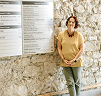
Lisa Clendening BEd, MSW, RSW (she/her)
Registered Social Worker/Psychotherapist
EMDR Therapist, IFS Informed
Certified Yoga Teacher, Certified QiGong Teacher


@2026 Lasting Wellness Therapy